

Dec 30 2007
The Feminine Aspect of the Divine

Since yesterday I quoted a mystic who has such a strong sense of the masculine aspect of God, I thought a little balance was in order:
God is a Woman,
I am Her doll.
She is my Love,
She is my All.
-Sri Chinmoy
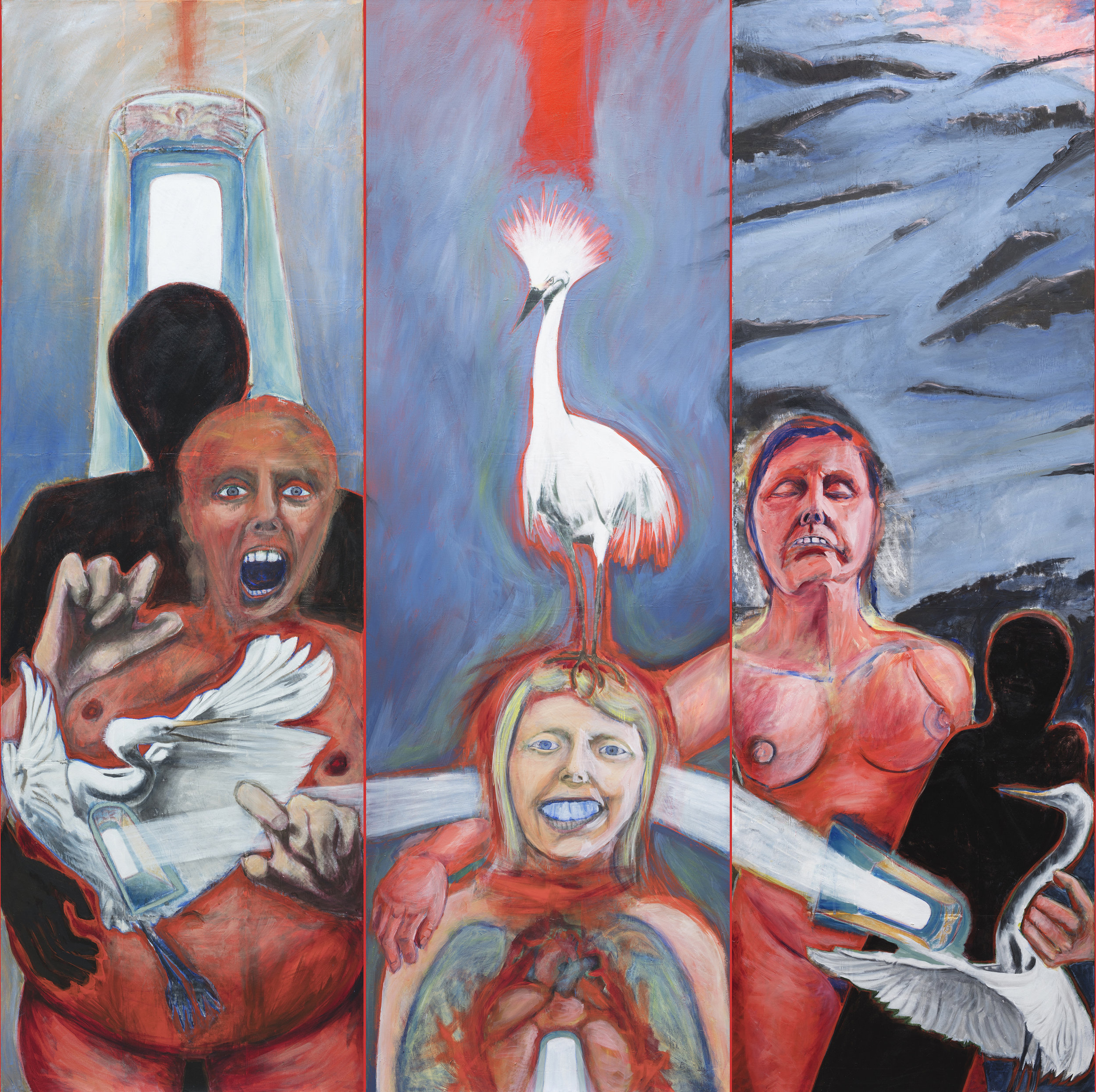
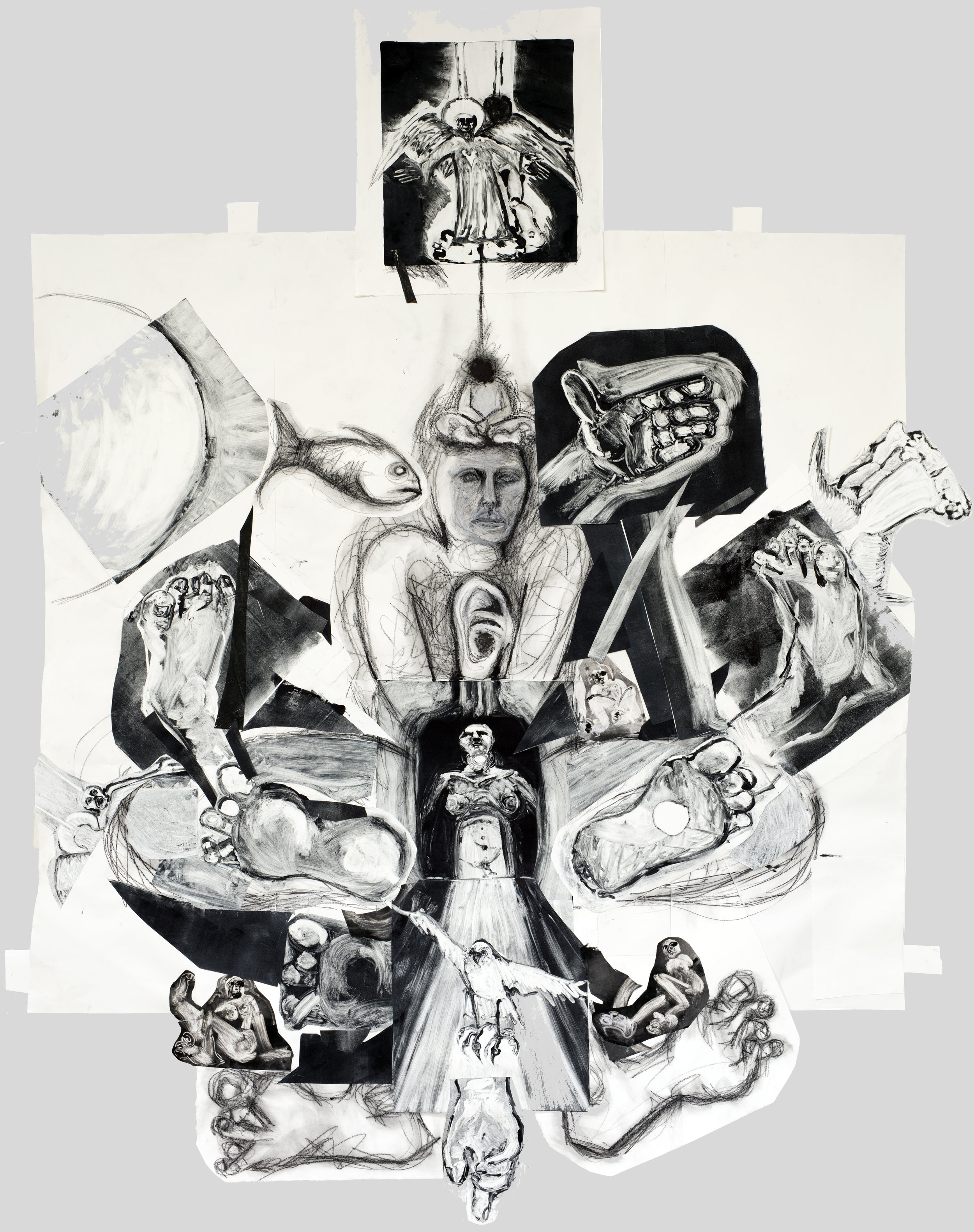
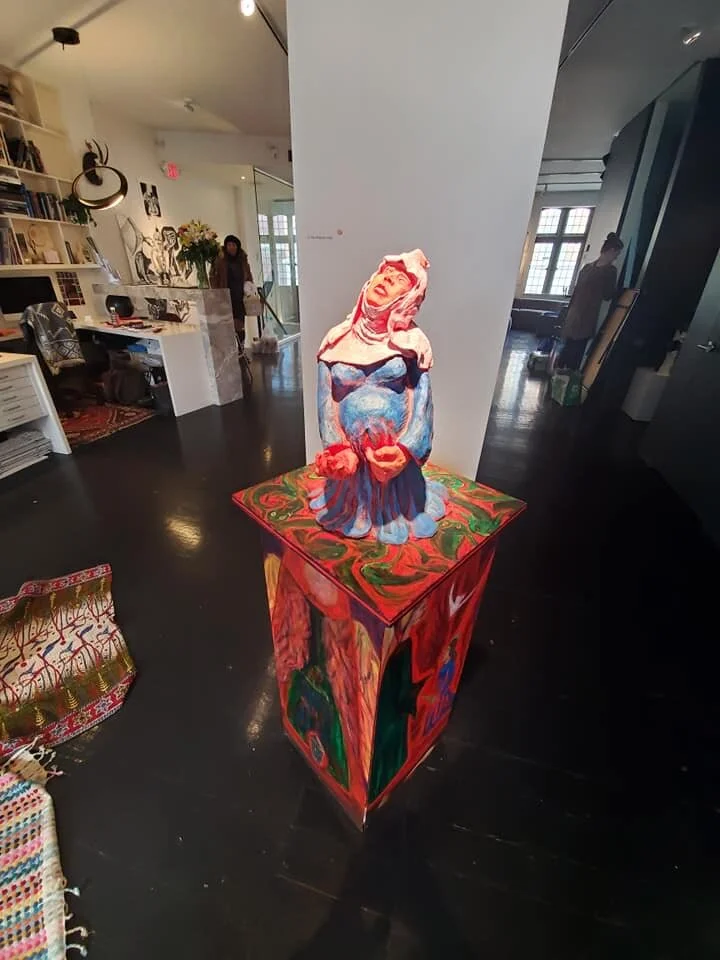
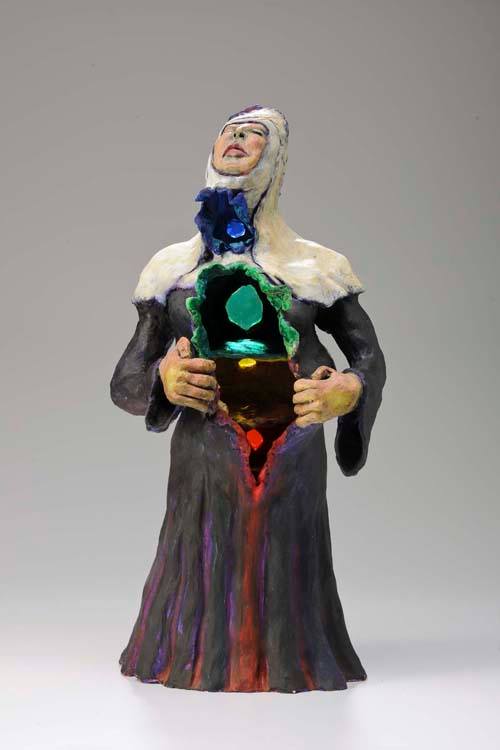
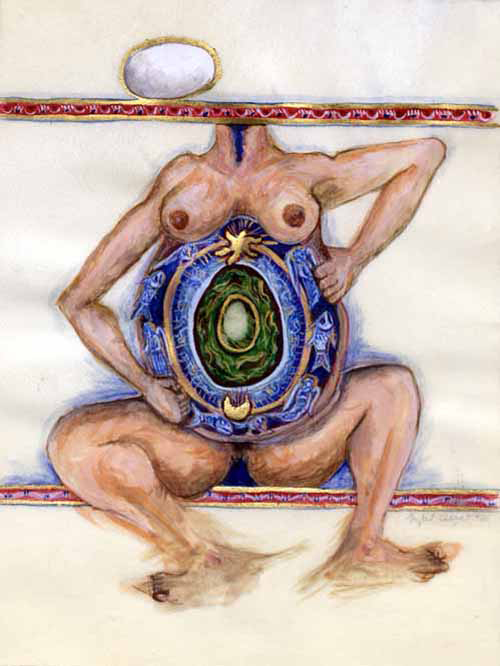
I have often talked here about my sense of the creative nature of God in feminine terms. I have spoken of the artist’s need to enter into the Womb of God, in order to access Divine creativity. This Womb is a state of pre-Being and is described by Plotinus as “the One”. His use of the term “the One” is wonderful because it is gender neutral. The ultimate act of creativity is when the One emanates or births, Being, everything that is. If an artist can tap into this eternal process, it will add untold power and healing potential to their works.
Often as I write here, I question my use of the word “God” as excessively limiting. I love Eckhart’s admonishment to discard “God” as an idea to allow something greater than we can conceive to connect with us. There is an interesting post on Tim Victor’s blog discussing this very problem. He suggests a term “Godde” as a combination of God and Goddess. I am considering adopting it but it still feels too limiting to me. When I pray, I always say God/Goddess/All That Is, but this may be too cumbersome for writing purposes.
All human definitions and description of the Divine are so very limited, but it concerns me that we limit ourselves unnecessarily by giving God a gender attribute. Of course the Divine has a glorious masculine aspect, this is Being, the active principle. But let us not cut ourselves off from the Womb and stillness.
I’d love your thoughts on the terms you use for the Divine.
Behold, Mary,
you who increase life,
who rebuilds the path,
You who confused death
and wore down the serpent,
To you Eve raised herself up,
her neck rigid with inflated arrogance.You strode upon this arrogance
while bearing God’s Son of Heaven,
through whom the spirit of God breaths.O gentle and loving Mother,
I behold you.
For Heaven released into the world
that which you brought forth.This one,
through whom the spirit of God breaths.Glory to the Father, and the Son and the Holy Spirit.
And to this one,
through whom the spirit of God breaths.
-Hildegard of Bingen
———————————-
A bit of good news: Heather’s Poor Excuse is back up and running.


When I first read your thought provoking post I just skimmed through Hildegard’s poem thinking “oh, a nice bit about Mary… gentle and loving mother, how lovely.” Then I scanned it again and noticed that bit about Eve’s arrogance and realized the misogyny that can still thrive even as one celebrates aspects of the the divine feminine. The part of me that can embrace Christian theology is constantly forced to shelve her feminist roots in order to recognize that Eve is representative of sin and temptation rather than a fully realized woman. I am still far from making peace with suspending what I consider to be basic parts of who I am, but that is another story…
Suffice it to say, this is just one more illustration of the limiting nature of engendering the divine - we have enough trouble navigating our perspective on the human terrain of the sexes, there is no way we can sort out how to apply such labels to the One.
I identified purely with the Goddess for many years, but as I try to steer towards an all-encompassing vision of the sacred I have let “God” slip back into my lexicon. It irks me to fall back on determining that the masculine terminology is gender neutral - just further proof that language cannot move at the speed of mysticism! Like you, in the name of expediency and communication of the overall message I have tried to stop quibbling about pronouns, etc. But I am still conflicted because such an intense part of me cries: but words matter!
Andrew Harvey’s work with the Mother aspect of God, inspired greatly by Sri Ramakrishna and Sri Aurobindo, has aided me as I delve deeper both into the transcendent, “masculine” and the immanent, “feminine” powers of the divine. It has helped me realize the degree to which these are two distinct energies that are still utterly reliant upon on another. It highlights the ability to use different genders at different times, but it also shows us how we need a unified term that transcends all these earthly divisions.
May we all be blessed in this search to find words for the unspeakable!
Marisa- Thanks for this amazing comment! I will definitely check out Harvey’s work. I agree with you that Eve is a challenge. I have a lot of thoughts on this and I think I’ll work on a post… Your blog is beautiful. So well written! I added a link to it on my sidebar.
Given that the Bible comes across as a fairly patriarchal book it is interesting to note that there are occasions when God is described in feminine terms.
In Psalm 131, the Psalmist describes his relationship with God as being like that of a weaned child with his mother. In Luke 13. 34 Jesus quotes a psalm that describes God as being like a hen gathering her children under her wing. While in Proverbs Wisdom is feminine and is described as being with God at the creation of the universe.
While references like these are in the minority in the Bible, they do show that God is not perceived or revealed solely in masculine terms and, ultimately, this reinforces the understanding that God is Spirit.
Jonathan- I always look forward to reading your comments because I learn so much!