Archive for Pigments
Lapis & Gold
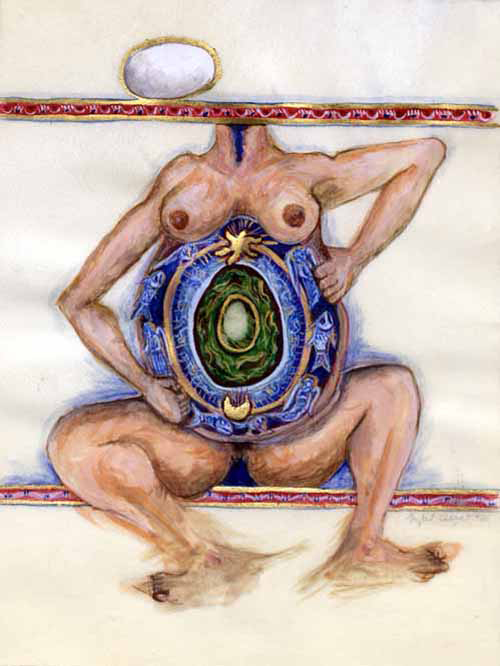
I just updated the website for my book Lapis & Gold: Unlocking the Secrets of Medieval Painters and Illuminators. It’s an in depth look into medieval art technique and sacred and spiritual art practices. I hope it will help contemporary artists reclaim the power we’ve lost by relying on industrialized art supplies that pollute our environment and lack longevity. I also hope it will add to the dialogue about art as a spiritual practice. My writing partner, Karen Gorst, is a technical genius. There is so much in this book that has never been put to paper before. I’m really excited about it.
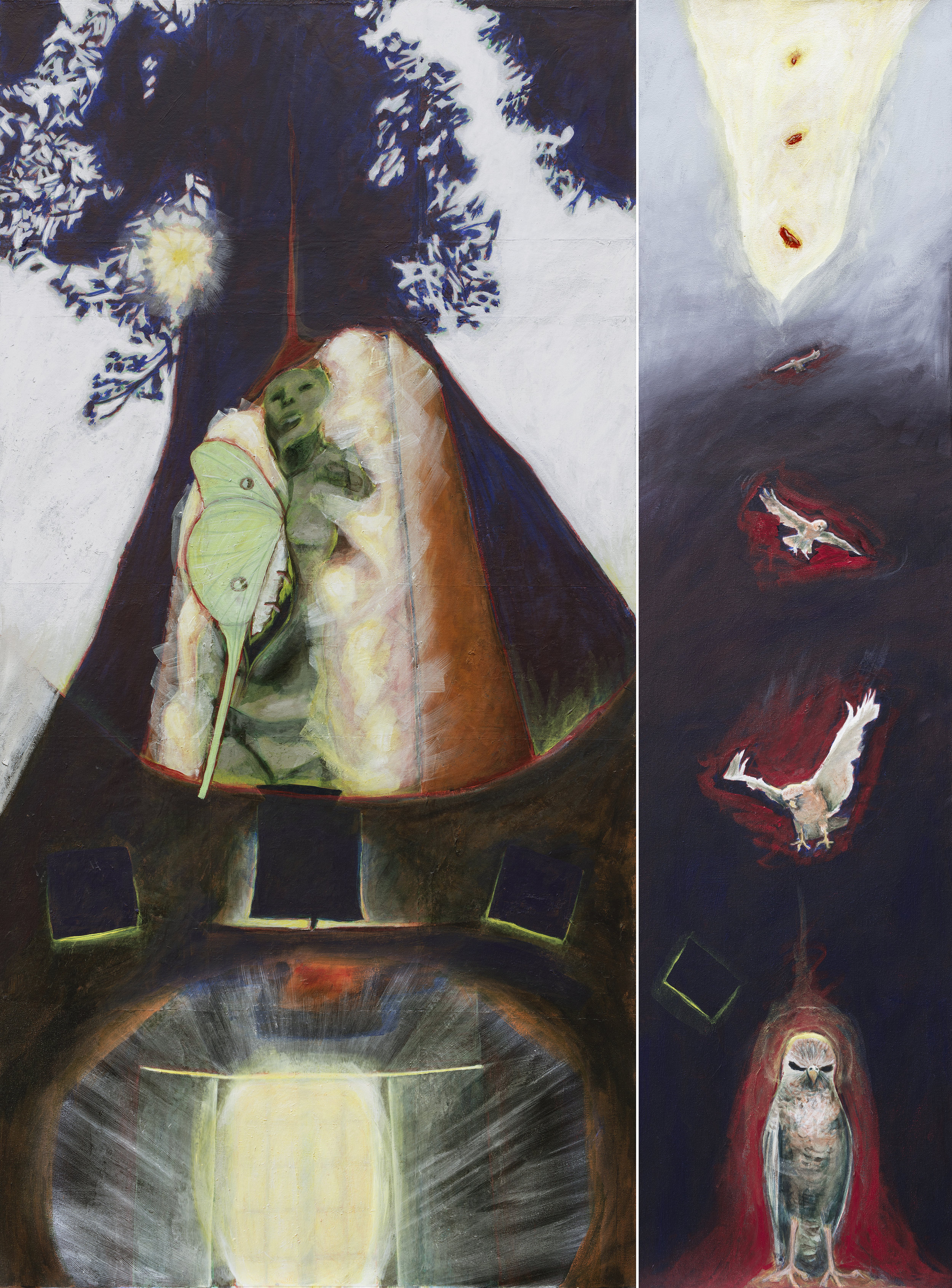
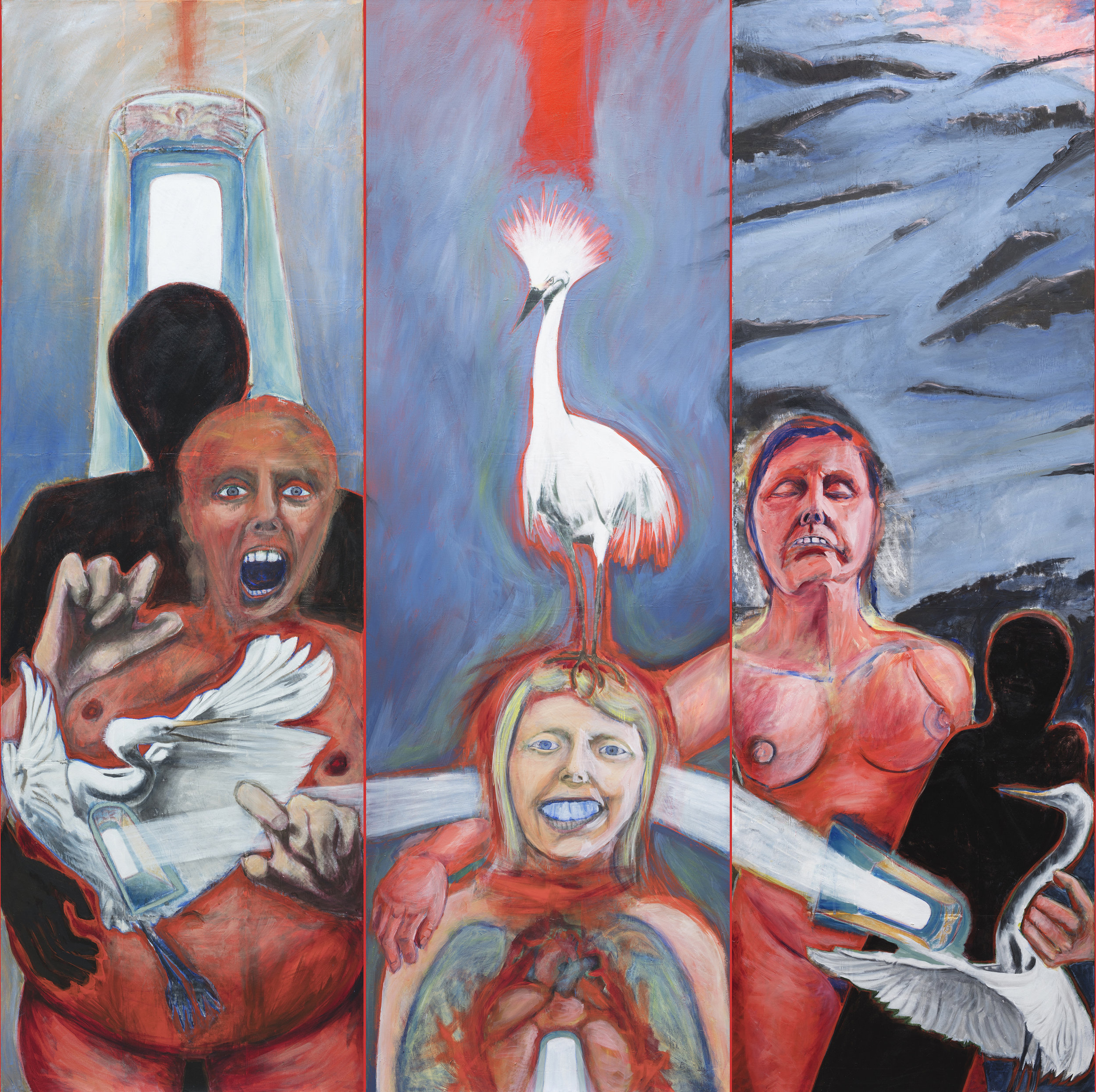
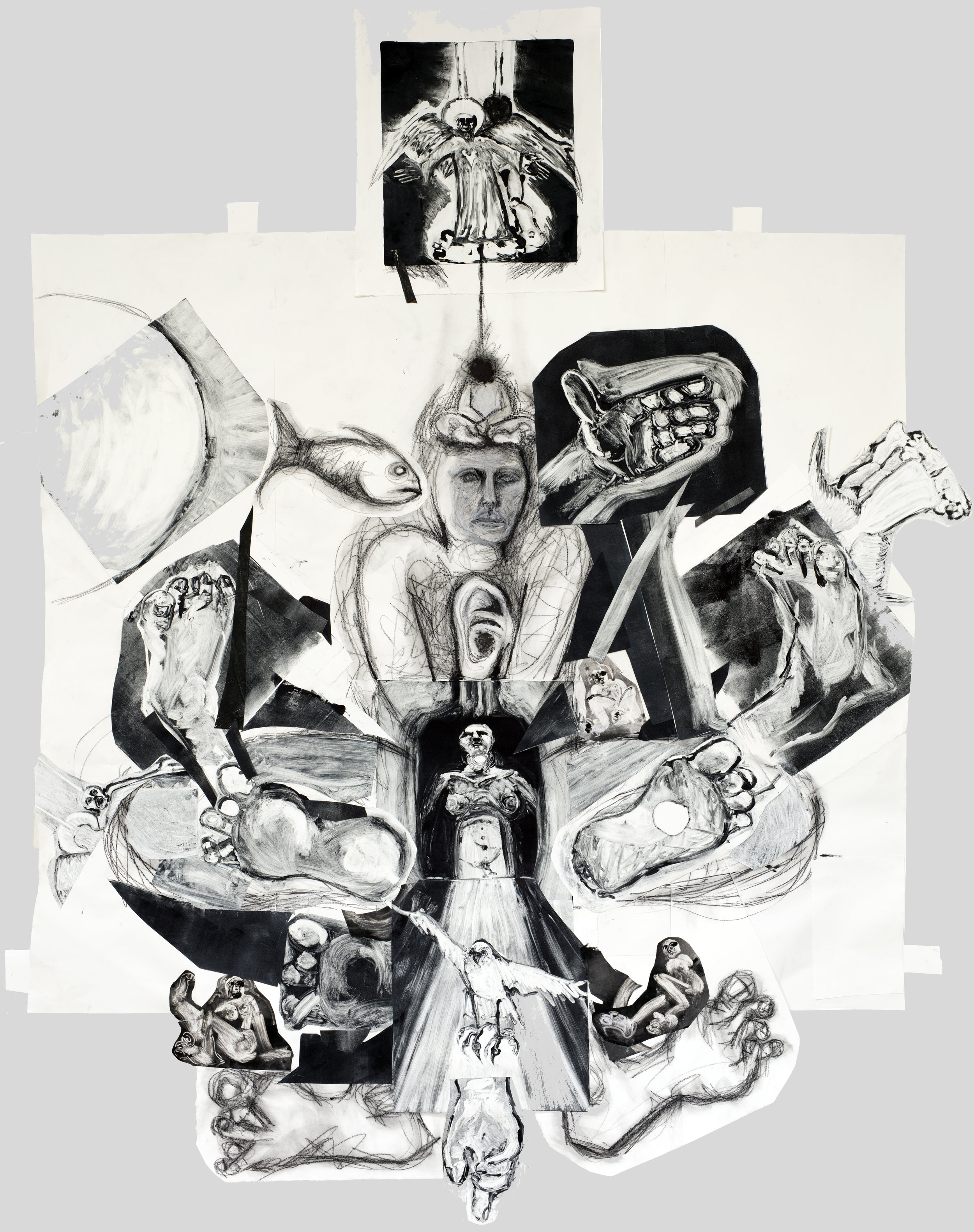
I first became interested in illumination during college when I studied at the School of the Sacred Arts at the same time as I was immersed in studying medieval mystics at NYU. It seemed like the perfect art form to me, a marriage of the mystical and material. It is through illumination that I first began to understand the sacred and healing nature of making art. For many years, I strictly adhered to illumination technique:

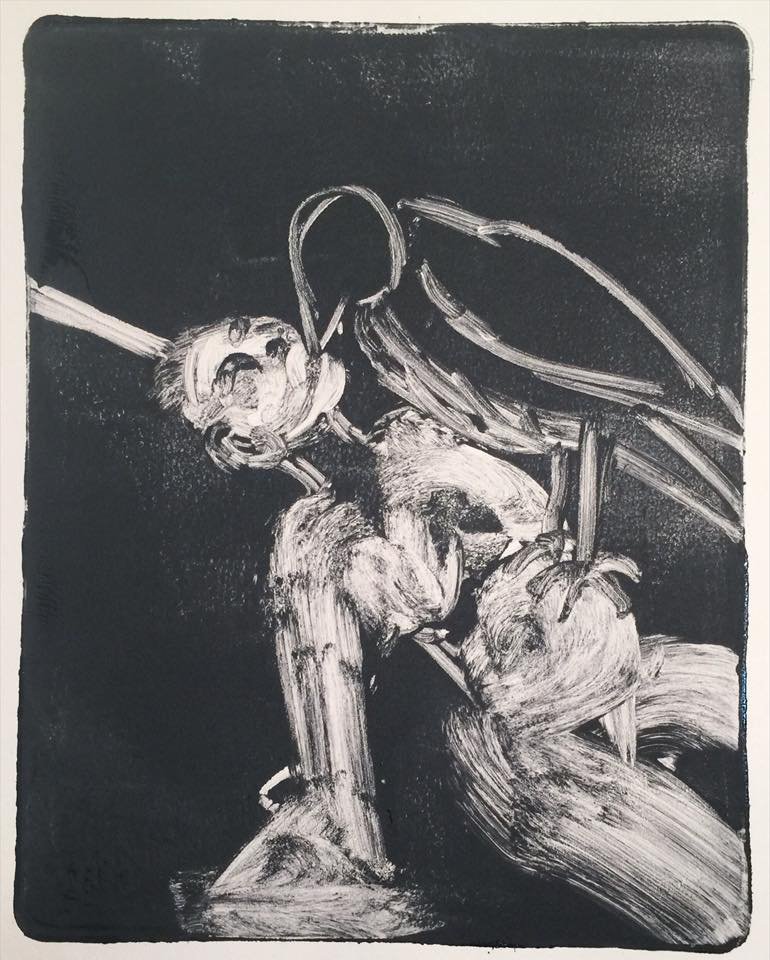
The Binding of Isaac (Click image for larger view)
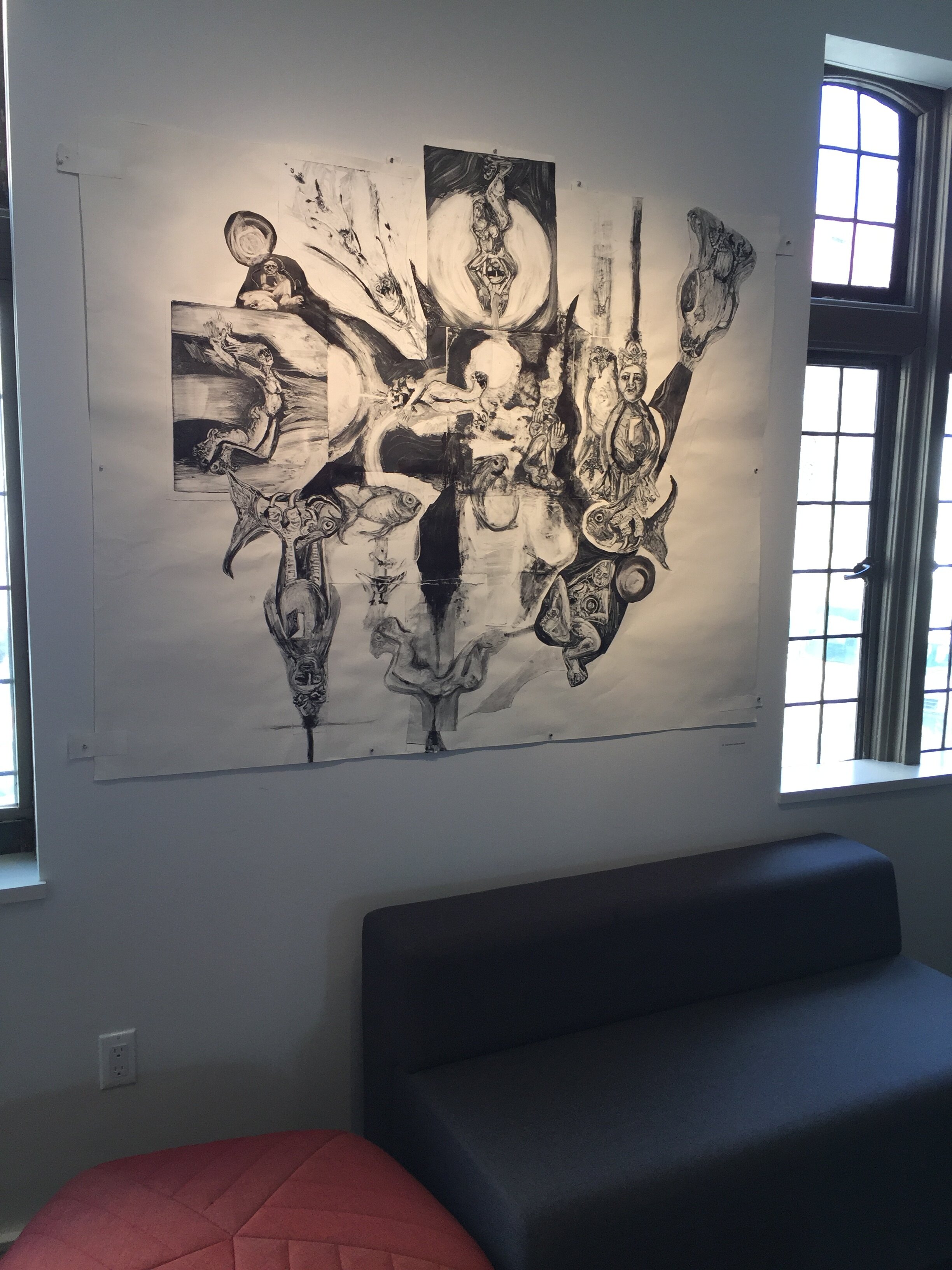
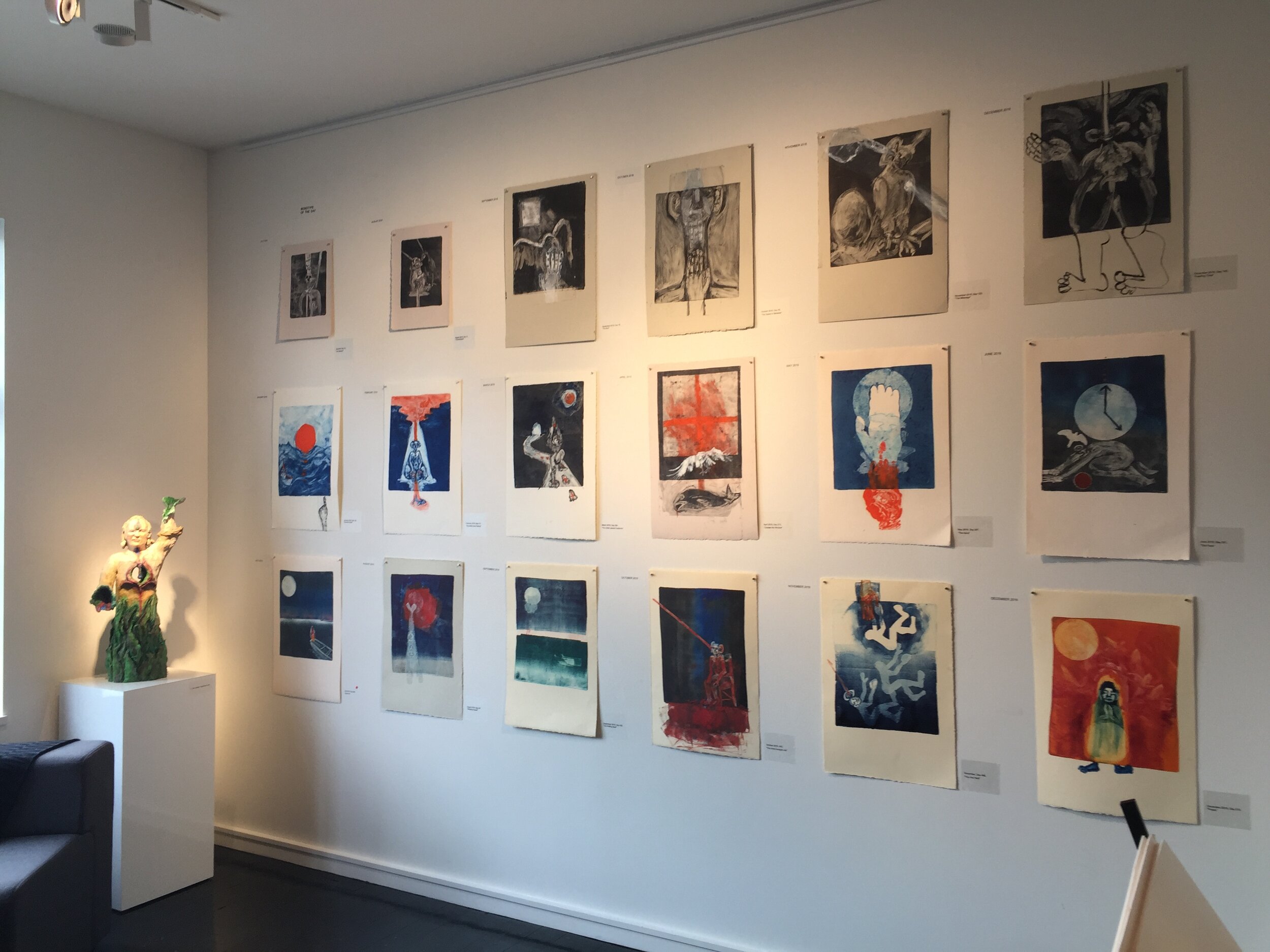
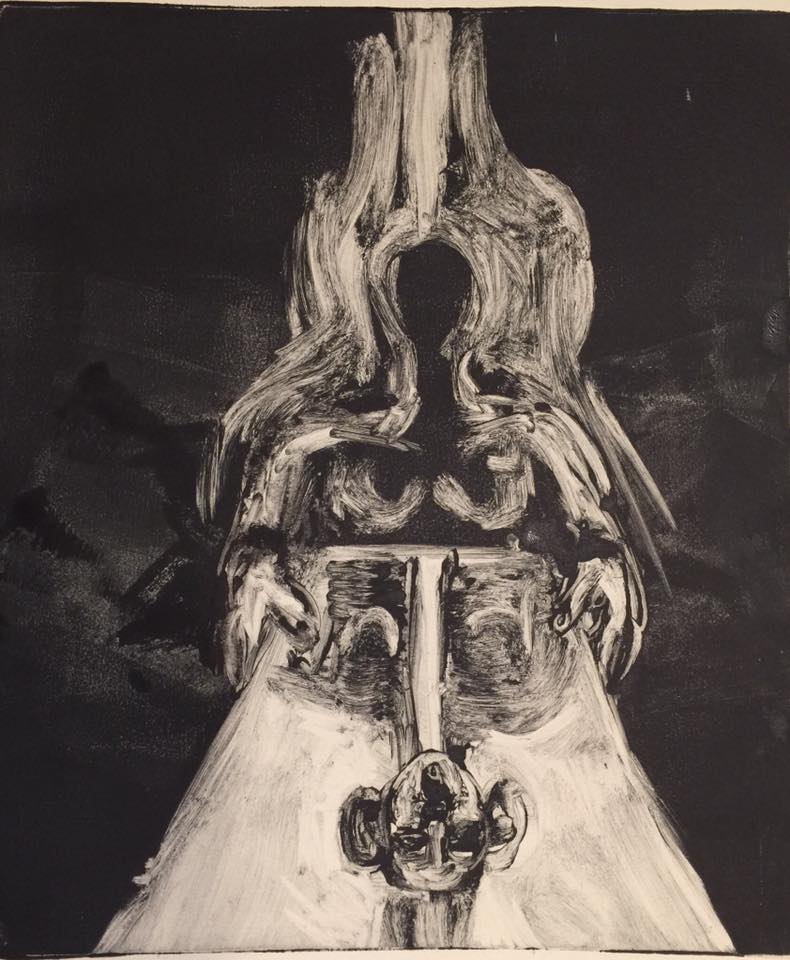
Now I just incorporate the techniques. I still make my own art supplies where I can but not always and I often work on paper instead of parchment. My work, however, is still true to the core values of the illumination technique: trust in process, trust in materials, and connection to the Divine. As Above, so below; the artist imitates the Divine Artist.
I haven’t written much about my book here because I’ve been on an unplanned, life-enforced break. It had to be set it aside to help my husband close down his business in 2006 and then I had my heart episode/awakening and then our big move which caused my life to unravel into the chaos from which new things are built. I have, however, talked about many of the same themes of spirituality and have touched on technique in a few posts (see Finding the Sacred in Contemporary Art).
I hope Lapis & Gold will appeal to a wide range of people. It has information for artists, art historians, spiritual seekers, conservators, medievalists and students of religion. Each chapter has technical information, ancient recipes tested and refined for contemporary use, history, and spirituality. (Click the links for chapter table of contents).
Supports: Paper and Parchment
Ink
Calligraphy
Gilding
Pigments and Pigment Making
The Pigment Almanac (A reference guide to pigments)
Paintmaking
Projects
A list of appendices
Here a sample of the types of information you will find in different chapters: the pigment chapter has detailed recipes, lightfastness & pigment interaction testing, and an in depth look at the alchemists who developed these recipes, their spiritual belief systems and how those believes manifest as you actually make each recipe; the calligraphy chapter has, among other things, directions for 3 writing styles, calligraphy as meditation, letter mysticism is the Christian, Judaic & Islamic traditions and the analysis of a medieval page to understand layout.
So now finally the time is right to begin again on the journey that is my book. The writing in finished. Lapis & Gold has ripened* on the vine & is waiting for a hungry publisher to come and pluck it. Any advice, contacts, or help you could offer would be greatly appreciated!
Thank you and bless you! Sybil
* Upon rereading this, I was amused to find that I had unconsciously used the same metaphor as medieval alchemists who sometimes referred to the metals in their chemical reactions as ripening.
Airport Security & the Artist

Red Pigment Powder
Airport security has severally cramped my artistic style. I remember the days when I commuted between LA & New York for college. I would wear my entire hat collection (15 or 16 hats mostly of a 1940’s style) at once; one piled on top of the other. I carried my raw powdered pigments in plastic baggies, all piled into a giant black garbage bag. Once when I was doing this, I guess I must have had 20 large bags of colored pigments. On this occasion, the security guard actually bothered to look into the garbage bag after it had gone through the x-ray machine. Of course, he reached in and pulled out a bag of titanium white. It looked exactly like a bag of drugs. But, I explained to him what it was, how it was used to make paints & he believed me. Maybe it was the hats that convinced him I was really an artist. Anyway, that would NEVER happen today!


In the figure of Jesus, God as revealed many things, not the least that Divinity and physicality can be merged. Whether you believe in Jesus or not, the symbol is a potent one. I am not suggesting that an artist can bring full Divinity into their work, but I am suggesting that Jesus is the macrocosm and art is the paler, yet important, microcosm, the echo for integrating the physical & spiritual.
In our society we have forgotten that everything we use is a fruit of the Earth. Perhaps it is easy to grasp that eggs come from chickens, but what of paint in tubes, plastic boots, or children’s toys? Let’s stay with the artist. How many artists know the source of their own paint? Does anyone realize that watercolor paint sticks to the page because of tree sap or that true ultramarine blue come from crushed stones? (More on this